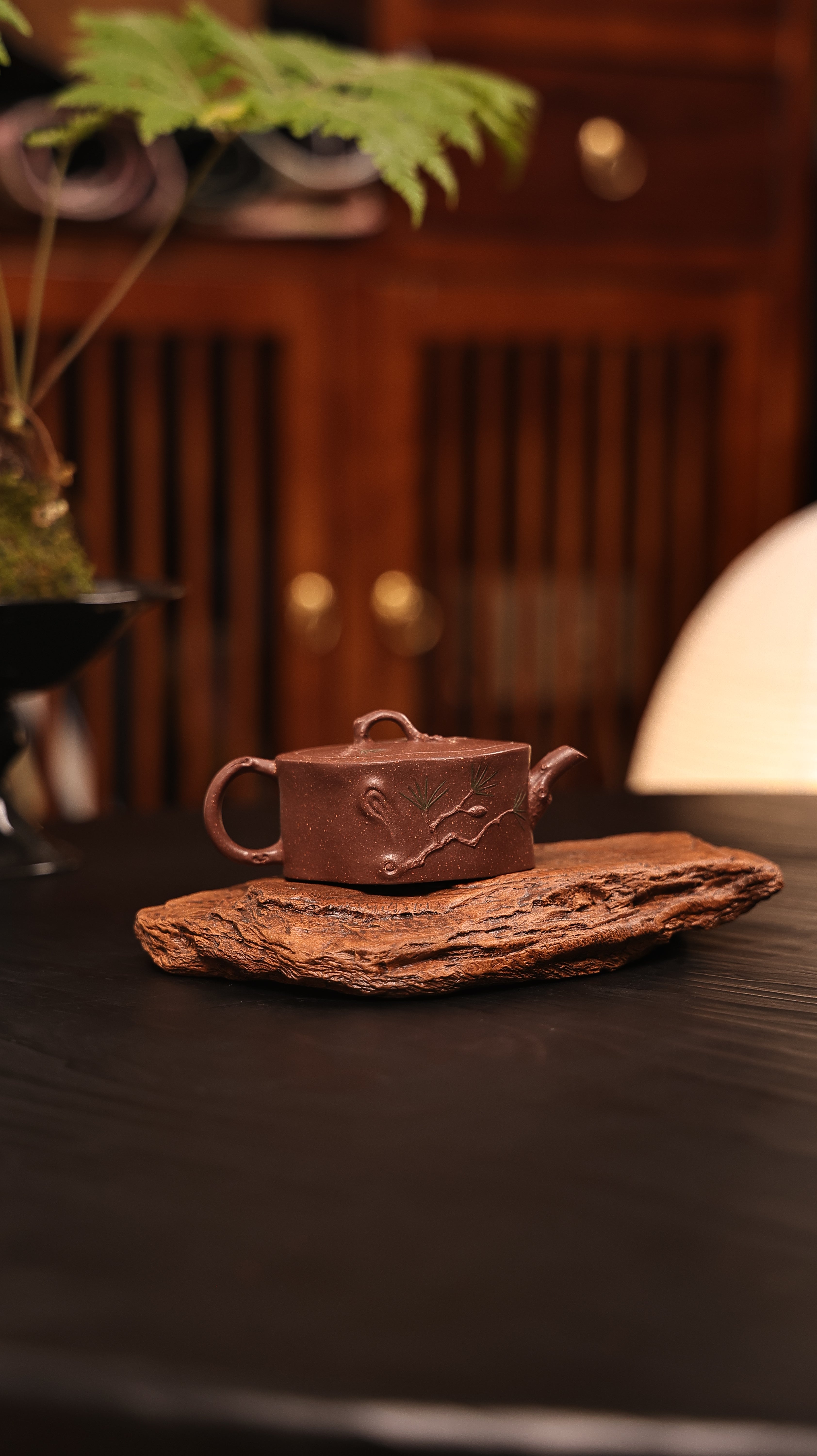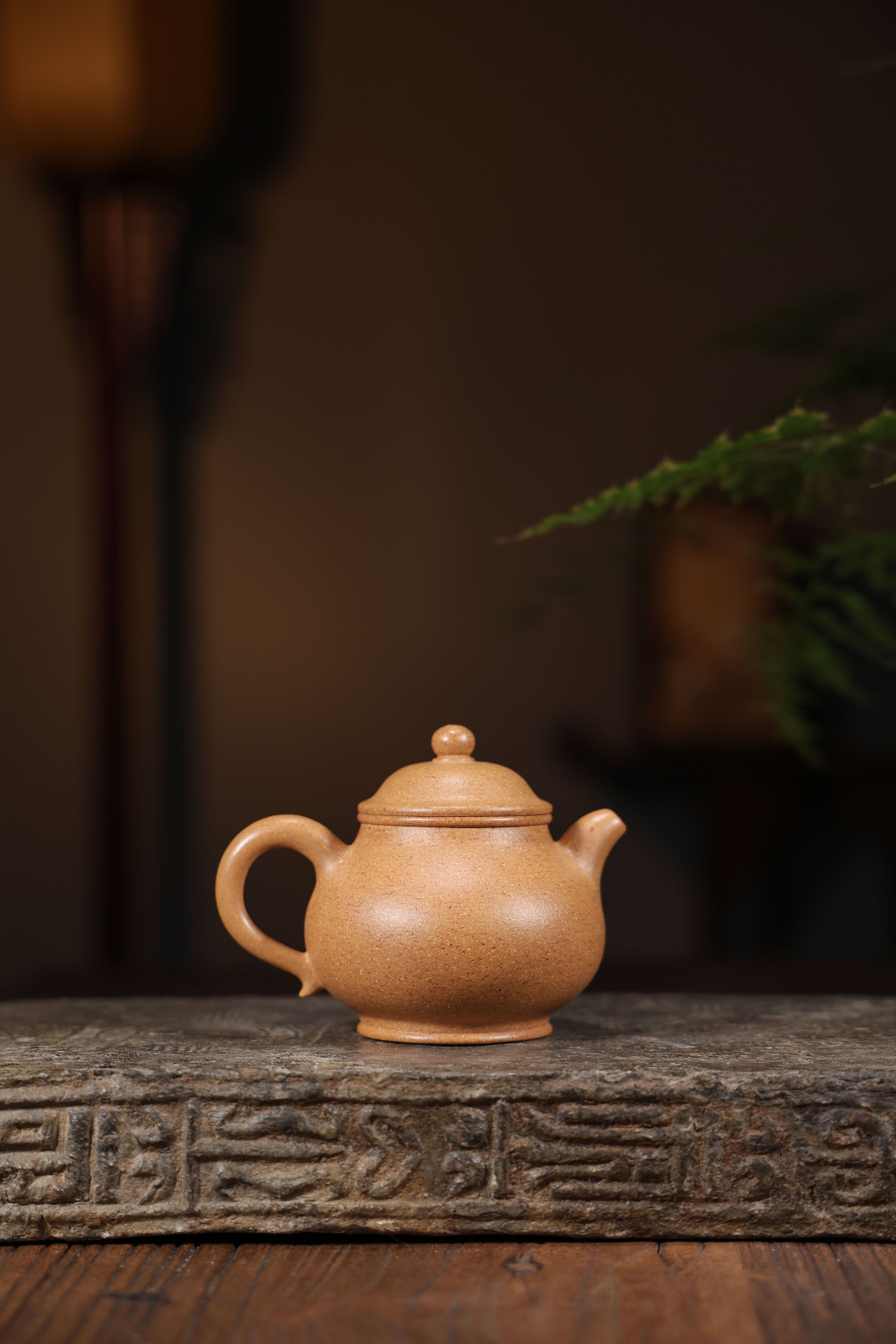
Times of aficionados have long favored the distinctive charm of Yixing Zisha teapots. Existing in the secluded town of Yixing, the territory, these jars are shaped from a peculiar and extracted purple clay noted for its unmatched thermal characteristics and capability to boost the flavor of extracts. Outside of their operative merit, Zisha teapots manifest a solid historical tradition, fashioning them greatly collectible and a bona fide marvel for any passionate teapot enthusiast.
Uncovering Yixing Vessels
Yixing teapots display a unusual fusion of history and expert craftsmanship. Emerging in Yixing, Jiangsu Province of China, their narrative begins from the Ming Dynasty, although proof suggest earlier examples. The distinctive purple clay, called Zisha, found particularly in the Yixing region, is the essential component, contributing to the pots' notable heat preservation and the manner they control the essence of tea. Generations of potters have developed techniques—often passed down through families—including crafting the clay, applying intricate embellishments, and firing the pots at regulated temperatures.- Traditionally, Yixing teapots were often furnished with simple designs.
- Subsequently, more detailed carvings and figurative motifs became accepted.
- The heat treatment itself is a indispensable element, requiring extensive periods of competence.
Accumulating Zisha Teapots: Critical Points
Undertaking a quest to obtain Zisha pitchers can be satisfying, but it’s necessary to learn what to examine. Authenticity is fundamental; focus on the potter’s natural tint, a understated reddish-brown is common. Examine the quality; genuine Zisha has a exclusive tactile sensation, often portrayed as slightly coarse. The outline should be pleasing and consistent with historical styles, while impressions, if present, require scrupulous examination for genuineness. Don’t refrain to consult with skilled authorities or dependable references – their expertise is irreplaceable.
Oriental Pots: Delving into the Custom of this Yixing Clay
Periods have seen Yixing Ming Clay teapots preserve a special role in Chinese tradition. These finely fashioned pots, sourced distinctively from the province of Yixing, are prominent for their specific shade, composition, and their ability to improve the taste of beverages. A multitude of collectors strive for antique Yixing teapots, estimating them significantly not only for their aesthetic elegance, but also for the legacy they portray.
Yixing Zisha Teapots: A Finest Types and Their Characteristics
Yixing Zisha teapots, originating from the Yixing province of Yixing, China, are well-known for their uncommon clay and first-rate brewing features. Throughout the numerous Zisha types, those kinds that are highly treasured include Baiwei. Binzhou, known for its vivid purple shade and soft texture, delivers a subtle flavor. The Duan Ni type, recognizable by its orangish color and partially grainy feel, is assumed to enhance the weight. Lastly, Zhuni Zisha boasts an exceptional carmine tone and can give a sweet nuance. Each category grants a unique experience, making them distinctly desirable with beverage enthusiasts.
Perfecting Individual Clay Teapot
To realize the essence of your Yixing teapot, familiarizing oneself with the correct procedure is essential. These clay earthenware, celebrated for their penetrability, will gradually assimilate the character of the tea you create within them. Begin by scrubbing the teapot thoroughly with tepid water. Then, use only top-grade raw leaf tea, as lower quality options can affect the clay’s delicate qualities. Always let the leaves to extend completely, and remember that with each infusion, your Yixing jar will become steadily refined.
Caring for Your Valuable Zisha Item
Proper care for your Zisha container is essential to safeguarding its beauty and Yixing Teapot merit. Zisha clay, celebrated for its unique shade and surface, requires careful handling. Never use corrosive cleaners, as these can spoil the finish. After every application, rinse the jar with tepid water and allow it to dehumidify completely.
- Refrain from soaking the container for extended sessions.
- From time to time use a soft polishing cloth to clean the exterior.
- Reflect on applying a thin layer of food-grade balm inside the kettle after drying, which can curb staining.
A Beginner's Guide to Yixing Containers
Yixing kettles, originating from the Yixing region in Jiangsu Province, part of China, are celebrated for their distinctive aspects. Crafted from the unique purple soil known as Zisha, these jars are prized by liquid enthusiasts worldwide. This guide will simply explain the core elements – covering sorts of Zisha matrix, popular shapes, and vital care recommendations. Understanding the foundation of Yixing pitchers can enhance your appreciation for this traditional example of Eastern craftsmanship.
Technique of Eastern Pots: Highlighting Zisha sourced from the Yixing area
Zisha soil from this city of Yixing represents the culmination of Eastern jar design, featuring a unique combination of earthy beauty and practical artistry. These exceptional pieces are famed for their vibrant shades, often covering rich purples and auburn hues to muted greys and soft beiges. The distinct mineral composition of the native Zisha ground imparts a signature texture and creates a agreeable aroma that improves the overall tea experience, affording them notably admired collectibles and indispensable components of any serious ritual.